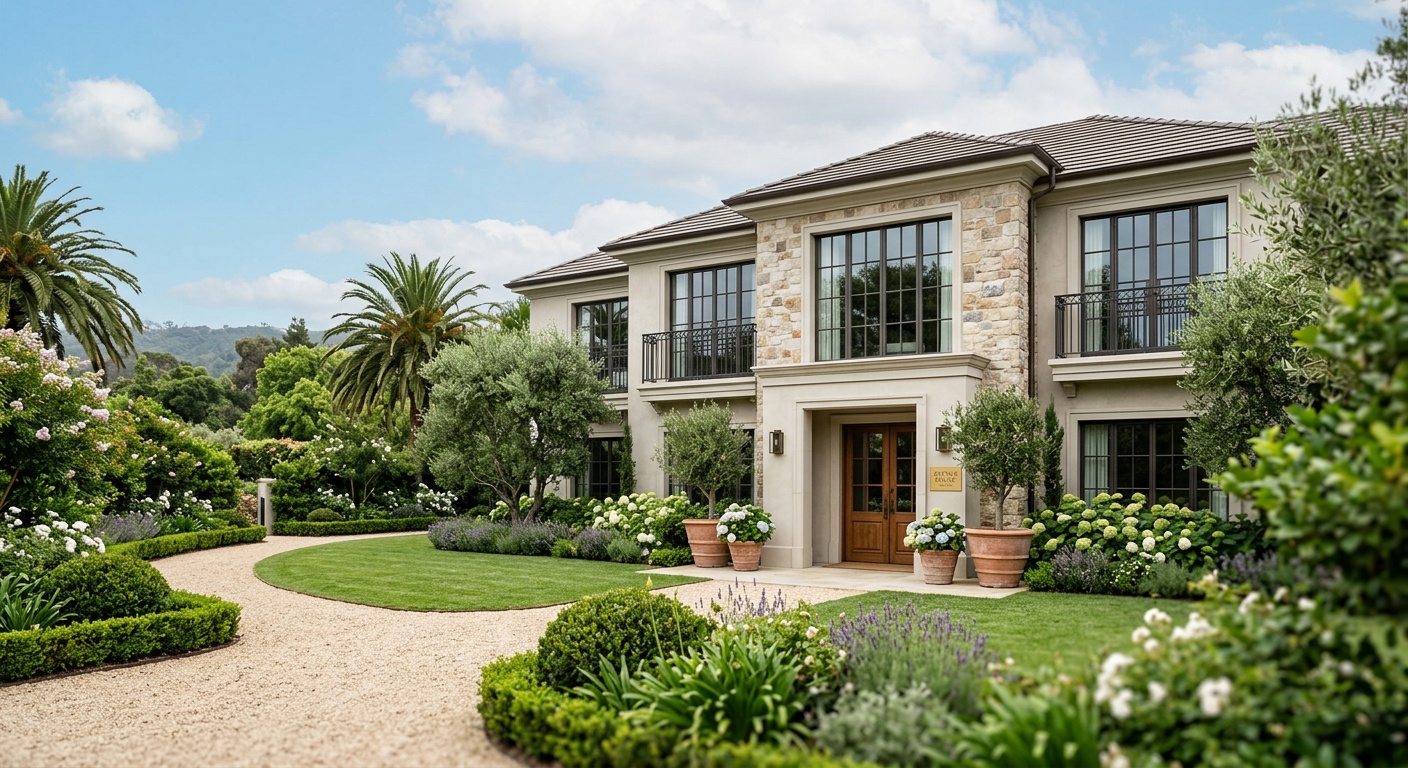
How Strategic Media Campaigns Attract Buyers for Hotel Properties
Reading time: 8 minutes
Table of Contents
- Why Media Strategy Matters in Hotel Sales
- The Anatomy of a Winning Campaign
- Case Studies: Campaigns That Closed Deals
- Common Challenges (and How to Beat Them)
- Comparing Campaign Channels
- Data Snapshot: Buyer Engagement by Channel
- FAQs
- Your Roadmap Forward
Why Media Strategy Matters in Hotel Sales
Selling a hotel isn’t like selling a house. You’re not just marketing bricks and mortar—you’re selling a revenue story, a lifestyle asset, and a piece of a destination’s identity. In 2026, with cross-border hospitality investment rebounding after years of cautious capital flows, sellers who rely solely on listing portals are leaving serious money on the table.
Here’s the straight talk: a strategic media campaign isn’t about flooding inboxes with brochures. It’s about orchestrating visibility across the right channels, at the right time, to the right investor profile. This is where public relations becomes indispensable—it shapes how a property is perceived long before a buyer ever steps into the lobby.
According to hospitality investment analysts, well-publicized hotel listings in Southern Europe and the Mediterranean basin have seen offer-to-ask ratios improve by 12-18% compared to properties marketed through conventional brokerage channels alone in 2025-2026 transaction data.
The Investor Mindset in 2026
Buyers today—family offices, hospitality REITs, private equity hospitality arms—research extensively before contacting a broker. They read trade press, scan investment forums, and track sentiment around a region’s tourism recovery. A property that appears credible, newsworthy, and well-documented across multiple media touchpoints signals lower risk. That perception alone can shave weeks off a due diligence timeline.
Why Silence Kills Deals
Quick scenario: imagine two nearly identical boutique hotels in the same coastal town, both listed at similar price points. One has been quietly listed for eight months with zero press mentions. The other appeared in three regional tourism investment roundups, a trade publication feature, and a short video walkthrough shared by a hospitality-focused newsletter. Which one gets multiple offers first? The answer is almost always the one with a visible media footprint—because visibility builds trust, and trust accelerates negotiation.
The Anatomy of a Winning Campaign
A campaign that actually converts interest into signed offers typically layers four components together rather than relying on one channel alone.
- Narrative development: Framing the hotel’s story—heritage, renovation potential, occupancy trends, or unique positioning within its micro-market.
- Targeted press placement: Getting coverage in hospitality trade outlets, regional business press, and investment-focused newsletters read by qualified buyers.
- Digital amplification: Paid social and programmatic placements aimed at investor demographics, not general travelers.
- Direct outreach synchronization: Aligning broker calls and email campaigns with press timing so momentum compounds rather than fizzles.
Pro Tip: The best campaigns don’t launch everything simultaneously. They stagger releases—teaser first, feature story second, closing push third—to keep the property “warm” in investor conversations for months, not days.
Case Studies: Campaigns That Closed Deals
Consider a 68-room seaside property in Crete brought to market in early 2026. The ownership group partnered with a boutique communications agency that secured placement in two pan-European hospitality investment digests and coordinated a short documentary-style video highlighting occupancy growth of 22% year-over-year. Within eleven weeks, the asset received four qualified offers, closing 9% above the initial asking price. The agency credited the result to “manufactured urgency through credible third-party validation” rather than aggressive discounting.
A second example involves a mid-sized city hotel in Northern Italy. Rather than a single press release, the seller’s team built a six-week content sequence: an interview with the general manager about post-renovation performance, a data-driven piece on the city’s rising business travel index, and a final “market spotlight” feature timed to coincide with a major hospitality investment conference. The result was a 40% increase in qualified inbound inquiries compared to the previous marketing attempt eighteen months earlier.
Interestingly, similar tactics are increasingly used across Mediterranean markets where tourism-driven demand remains strong. Buyers scanning listings such as a hotel for sale greece often arrive at the decision stage having already consumed several pieces of earned or paid media about the region’s hospitality performance—meaning the campaign’s job is partly done before direct negotiations even start.
Common Challenges (and How to Beat Them)
Challenge 1: Overexposure Fatigue
Too much press too fast can make a property look desperate or overshopped. Solution: pace releases across 6-10 weeks and vary the angle each time—financial performance, renovation story, location trends—so it never feels repetitive.
Challenge 2: Misaligned Audience Targeting
General travel media reaches tourists, not investors. Solution: prioritize trade publications, investment newsletters, and LinkedIn-based hospitality finance communities where decision-makers actually spend time.
Challenge 3: Weak Narrative Consistency
If the press release says “luxury retreat” but the financial deck says “value-add opportunity,” buyers get confused. Solution: align messaging across every asset—brochure, press pitch, video script, and broker talking points—before launch.
Comparing Campaign Channels
| Channel | Avg. Cost (2026 est.) | Time to Buyer Response | Investor Reach Quality |
|---|---|---|---|
| Trade Press Feature | €2,500–€6,000 | 3–5 weeks | High |
| Paid Social (Targeted) | €1,200–€4,000/mo | 1–2 weeks | Medium |
| Video/Documentary Content | €3,000–€9,000 | 4–6 weeks | High |
| General Listing Portals | €500–€1,500/mo | 6–12 weeks | Low-Medium |
| Investment Newsletter Placement | €1,800–€5,000 | 2–4 weeks | High |
Data Snapshot: Buyer Engagement by Channel
FAQs
How long should a hotel media campaign run before expecting serious offers?
Most well-structured campaigns show measurable traction within 6-10 weeks, though full negotiation cycles for larger properties can extend to four or five months. Patience combined with staggered content releases tends to outperform one-off press blasts.
Is press coverage really necessary if I already have a strong broker network?
Brokers open doors, but media coverage builds the credibility that makes buyers walk through them with confidence. The two work best in tandem—one drives direct contact, the other reduces skepticism before that contact happens.
What’s the biggest mistake sellers make with hotel marketing campaigns?
Treating the campaign as a single announcement rather than a sequence. A single press release rarely moves serious investors; a coordinated narrative unfolding over weeks does.
Your Roadmap Forward
Attracting the right buyer for a hotel property in 2026 isn’t about shouting the loudest—it’s about being strategically visible where decision-makers already look. As hospitality investment continues to globalize, sellers who treat media strategy as a core part of the transaction process, not an afterthought, will consistently outperform those who don’t.
- Step 1: Build a narrative before you build a press list.
- Step 2: Sequence your content over 6-10 weeks rather than releasing everything at once.
- Step 3: Match each channel to investor behavior, not general audience size.
- Step 4: Align every asset—press, video, brochure—around one consistent story.
- Step 5: Track engagement data and adjust mid-campaign rather than waiting until it ends.
So, are you ready to treat your next hotel listing as a media story worth telling, rather than just another line on a spreadsheet?
About the Author
